
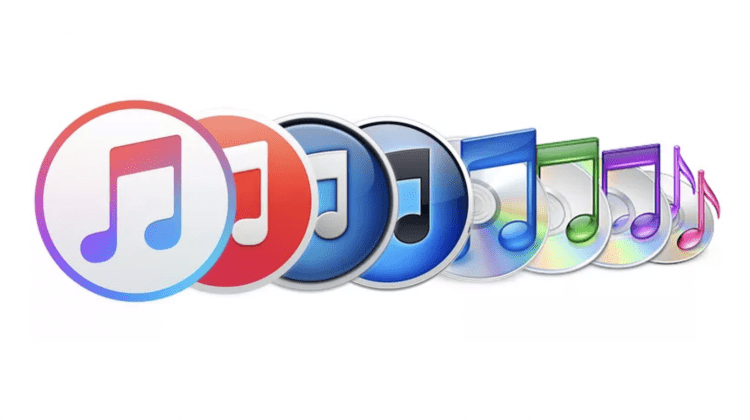
The time has come for the end of iTunes. Launched back in 2001, iTunes has had a tough journey to win users hearts and has often been rated as slow and bloated.
It was announced at their Worldwide Developer Conference (WWDC), that Apple are getting rid of iTunes on macOS in favour of three separate applications: Apple Music, Apple TV and Apple Podcasts. Each app will handle their own media, from finding and playing content to purchasing it and saving it to a library where applicable. “The future of iTunes is not one app, but three.” Craig Federighi, senior vice president of software engineering, stated at the WWDC. The change is set to take place with the planned arrival of OS X 10.15, code-named Catalina, in September.
Some concerns were made regarding how Macs would continue to sync with iPhones or iPads without using iTunes, but it was reported that this will be handled by macOS itself, with options showing in the finder menu rather than in iTunes.
Despite the slowness, iTunes initially became the blueprint for how people could legally download media, making it significantly easier to pay for music rather than steal it from early file-sharing sites like Napster. Apple soon dominated digital downloads allowing it to set the terms, something the music industry came to resent. Apple’s focus on unbundled 99-cent tracks caused many artists and record labels to accuse Apple of stripping the value out of music.
iTunes redefined how people listened to music and watched films but over time it became widely mocked for being slow and bloated as Apple added more and more features. Today with music applications such as Spotify, which allow instant streaming and downloading, iTunes has been knocked out of the market.
However, iTunes won’t completely disappear yet. iTunes will still be available on Windows as a Win32, x64 and UWP app for the foreseeable future. The iTunes store will also remain on Macs for all downloading in a proprietary file format needs. Nevertheless, Apple will eventually stop supporting iTunes and it will become redundant.
The success of iTunes is huge, it outlived pretty much every other consumer-focused piece of software from its time, also Windows 10 users searched for iTunes so much in the Windows Store that they had to relent and bring it to the store last year. However, over the years through adding extra features and additions to iTunes, the usage has become very slow and painful. In addition to this, the market has moved onto cloud storage and streaming media has become easier and normalised. Now it is time to move on from iTunes.