
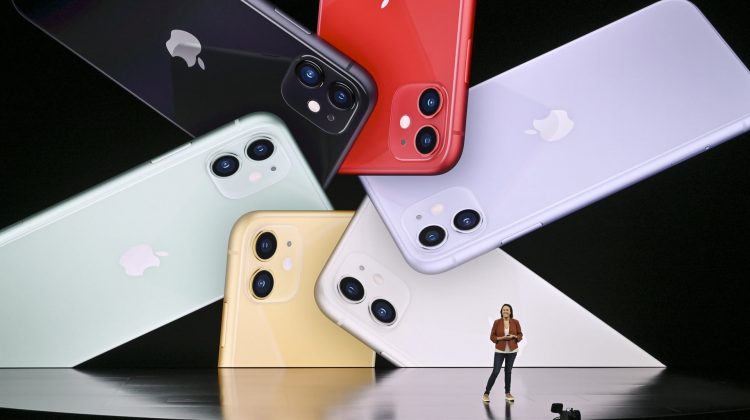
On Tuesday, 10 September Apple’s keynote event revealed the new iPhone 11, iPhone 11 Pro, and iPhone 11 Pro Max. There has also been updates to the Apple Watch series 5 and a brand new dedicated operating system for iPad.
We’ve already had two big Apple events in 2019: launching the new subscription services TV+, News+ and Apple Arcade, plus Apple Card, on 25 March. The new Mac Pro desktop and display was announced in June, along with the details of the new operating system updates. The main announcement yesterday was the release of the three iPhone 11 models (across three different screen sizes).
Updates to iPhone:
Some updates appear to be minor, although there have been improvements made to the cameras. Most features look like a progression of features, rather than new innovations. The pricing has been set as cheaper than previous models in the US, however this has hit the UK badly with an increase in pricing.
The iPhone 11 starts at £729, with the premium smartphones iPhone 11 Pro and iPhone Pro Max starting from £1,049 and £1,149 respectively. This is a £200 increase from the price of the iPhones sold in the US. The pricing strategy in the US has been made cheaper, whereas in the UK it has increased from the previous iPHone XR’s by £50.
A new camera system in Pro iPhones gives a triple lens for ultra-wide angle photos. This means users will be able to zoom out further and capture a larger field of view. The sensors will capture three images simultaneously, and then use new artificial intelligence software to automatically combine the photo.
The iPhone 11 has an LCD screen, reverting iPhone users back to the standard screen used on most iPhones, aside the XS which uses OLED display. Users of the XS will likely be displeased to upgrade to an iPhone 11 and loose this display. The iPhone X, XS and XS Max (unlike all other iPhones) have OLED screens. In most respects OLED is great: it offers deeper blacks than LCD, brighter whites, overall better colour reproduction and even superior power efficiency. But, it’s more expensive to make, which may be why Apple has decided to revert to the standard LCD screen. The iPhone 11 does however come with a 0.3-inch bigger display plus the new, faster A13 processor chip.
Two recent iPhones – the SE and XR – did not have 3D Touch (where the screen responds to different weights and lengths of taps/presses), the latter instead having what Apple calls Haptic Touch, and this is the same for the iPhone 11. Bloomberg has confirmed (via its sources) that 3D Touch will be dropped from all iPhones in 2019.
Despite these improvements and new camera features, this year’s iPhones miss out on new technology which was expected to be included, for example, Apple Pencil support, 5G connectivity, and USB-C ports like the iPad Pros.
Updates to Watch:
The Apple Watch 5 was announced, which includes new LTPO (Low-Temperature Polycrystalline Oxid) OLED screens and the intriguing addition of a built-in compass.
The new OLED screen was also used in the Apple Watch 4 but has been used differently in this edition for longer battery life and for the screen to stay constantly on. No longer will the screen turn off; it will now automatically slowly dim when it is not being looked at.
The built-in compass has been added instead of a software compass. iWatches start at £399 for the GPS-only model in the smaller 40mm size. It’s a bit more for the cellular 44mm size at £429.
Updates to iPad:
Apple has released a new iPad with one key update, a larger 10.2 screen. Apple has made this edition without making the device larger or increasing the price from the previous model, making this an attractive product. It also offers new features, is made with 100% recycled aluminum, and also allows full connection to Apple’s Smart Keyboard.
The price is set to start at £349 for 32GB storage which is roughly the same as the 2018 entry-level iPad, however if you want more storage (128GB) prices are increased to start at £449.
One of the most notable things on the new iPad 10.2 is the new operating system, iPadOS. This operating system is very similar to the iOS 13 platform used in Apple smartphones but now enhances iPads for the larger screen. iPadOS is also able to handle widgets and the ability to place more apps in windows around the screen. SD cards and a mouse can now be connected, which makes a new experience on the iPad.
Overall these are not mind-blowing updates, but the new features and price make this a product worthwhile to consider.
The release date of the new iPad is September 30 , but can be pre-ordered via us with a discount.
In all it has been an interesting event with announcements of the new iPhone 11s, updated Apple Watch 5 and a new iPad. However, no new AirPods were released and we also didn’t see a 16-inch MacBook, as heavily rumored. Apple have made some notable improvements however is still going to have a hard time keeping up with competition with the likes of Samsung who provide close matches such as the Galaxy S10 and Samsung Galaxy Tab S6.